

Last Updated on March 16, 2026
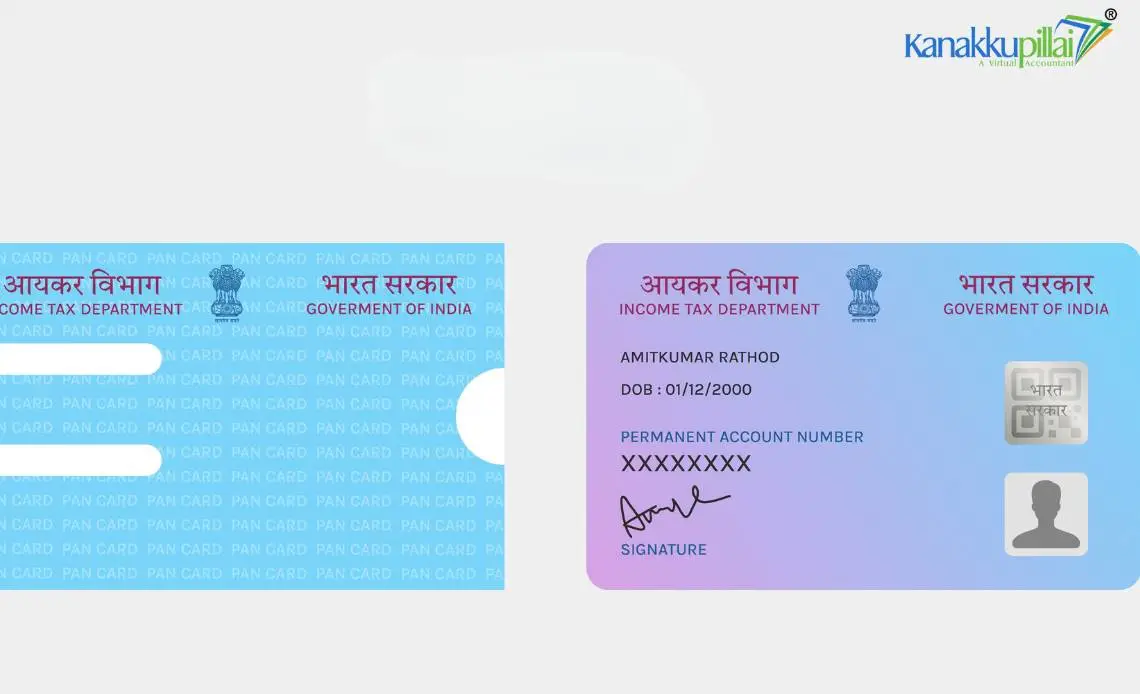
The Permanent Account Number (PAN) is one of the most important financial identification documents in India. It is issued by the Income Tax Department of India and is used to track financial transactions, file income tax returns, and maintain transparency in the taxation system.
Whether you are an individual taxpayer, business owner or investor, a PAN card is essential for conducting many financial activities such as opening bank accounts, investing in financial instruments, purchasing property and filing tax returns.
To improve transparency, strengthen tax compliance and modernise the taxation system, the government has introduced several PAN card updates and rule changes expected to impact taxpayers in 2026. These updates mainly focus on PAN–Aadhaar linking, new PAN application procedures and revised requirements for high-value transactions.
Understanding these updates is important to ensure smooth financial operations and avoid penalties or disruptions in financial activities.
1. Mandatory PAN–Aadhaar Linking
One of the most significant updates related to PAN cards is the mandatory linking of PAN with Aadhaar. PAN cards that are not linked with Aadhaar may become inoperative from January 1, 2026, which can affect income tax filing and financial transactions.
The government has made it compulsory for all PAN holders to link their PAN with their Aadhaar number. This step has been taken to eliminate duplicate PAN cards and strengthen identity verification in financial transactions.
If a PAN card is not linked with Aadhaar within the specified deadline, it may become inoperative. An inactive PAN can create several issues for taxpayers, such as: –
- Inability to file income tax returns
- Higher tax deduction at source (TDS)
- Difficulty in completing financial transactions
- Problems in opening bank or investment accounts
Therefore, individuals should ensure that their PAN is linked with Aadhaar to maintain its active status.
2. Aadhaar Authentication for New PAN Applications
Another major update relates to new PAN card applications.
The government has introduced Aadhaar-based authentication as an essential step for obtaining a new PAN card. This means applicants will need to verify their identity using Aadhaar through OTP verification or biometric authentication.
Earlier, applicants could use several different identity documents to apply for a PAN card. However, Aadhaar authentication will now streamline the process and reduce the chances of duplicate or fraudulent PAN cards.
This update offers several benefits, including: –
- Faster PAN application processing
- Improved identity verification
- Reduced risk of duplicate PAN numbers
- Better integration with digital government services
As the government continues to digitise tax administration, Aadhaar-based authentication will help make PAN services more secure and efficient.
3. PAN Requirement for High-Value Transactions
PAN plays an important role in monitoring high-value financial transactions. The government requires individuals to quote their PAN while carrying out certain transactions so that financial activities can be properly tracked.
Some of the common transactions where PAN may be required include: –
- Large bank deposits or withdrawals
- Property purchase or sale
- Vehicle purchases above a specified limit
- High-value hotel or restaurant payments
- Investments and insurance purchases
However, the government has proposed revisions to some of these limits in order to simplify compliance for smaller transactions while still monitoring large financial activities.
These changes aim to reduce unnecessary paperwork while improving transparency in major financial dealings.
The government has also proposed revisions to certain transaction limits under the Draft Income Tax Rules 2026. These changes will apply after the final notification is issued.
4. PAN Requirement in Property Transactions
Real estate transactions are among the largest financial transactions carried out by individuals and businesses. To improve transparency in the property sector, PAN details are often required while buying or selling property.
Under the updated rules, PAN may be required when the value of the property transaction exceeds a specified threshold. This helps various authorities to track high-value transactions and prevent tax evasion in real estate dealings.
Individuals planning to buy, sell or transfer property should ensure that their PAN details are accurate and active to avoid delays or compliance issues.
Under the proposed rules, the threshold for quoting PAN in property transactions may increase from ₹10 lakh to ₹20 lakh.
5. Digital Transformation of PAN Services
The government is also working toward modernising PAN services through digital initiatives.
These initiatives aim to make PAN-related services faster, more efficient and easier to access. The modernisation efforts include: –
- Simplified online PAN applications
- Faster correction and update processes
- Improved integration with the income tax portal
- Better security and data protection
Digital transformation will help taxpayers complete PAN-related tasks quickly without complicated paperwork.
Impact of PAN Card Updates on Taxpayers
The new PAN card rules and updates will have several implications for individuals and businesses.
Positive Impact
- Improved transparency in the financial transactions
- Faster PAN application and verification processes
- Better integration with digital tax systems
- Reduced chances of fraud and duplicate PAN cards
Compliance Requirements
- Mandatory PAN–Aadhaar linking
- Accurate and proper PAN information in financial records
- Quoting PAN for certain high-value transactions
Conclusion
The 2026 PAN card updates represent a very important step toward strengthening India’s financial and taxation systems. By making PAN–Aadhaar linking mandatory, introducing Aadhaar authentication for new PAN applications and updating rules for financial transactions, the government aims to improve transparency and reduce tax evasion.
For individuals and businesses, it is essential to stay up to date on these regulatory changes. Ensuring that your PAN is active, linked to your Aadhaar and correctly used for financial transactions will help you avoid penalties and ensure smooth financial operations.
As India continues to move toward a more digital and transparent economy, PAN will remain a key document for financial identification and tax compliance.
Frequently Asked Questions (FAQs)
1. What are the new PAN card rules for 2026?
The new PAN card rules in 2026 focus on improving the key elements, such as transparency and strengthening tax compliance. Key updates include mandatory PAN–Aadhaar linking, Aadhaar authentication for new PAN applications and revised thresholds for quoting PAN in high-value financial transactions. These changes are introduced by the Income Tax Department of India to improve financial monitoring and reduce tax evasion.
2. What is the latest update regarding PAN cards?
One of the latest updates is the introduction of Aadhaar authentication for new PAN card applications. The government is also simplifying PAN services through digital systems and updating the rules for quoting PAN in certain financial transactions.
3. Will PAN cards be deactivated in 2026?
Yes. PAN cards that are not linked with Aadhaar may become inoperative in 2026. If a PAN becomes inactive, taxpayers may face difficulties in filing income tax returns, completing financial transactions, and receiving tax refunds.
4. What is the deadline to link PAN with Aadhaar in 2026?
The government has set December 31, 2025, as the deadline to link PAN with Aadhaar. If not linked, the PAN may become inoperative from January 1, 2026.
5. Is PAN required for high-value financial transactions?
Yes. PAN is generally required for certain high-value transactions such as property purchases, large bank deposits, vehicle purchases and investments to ensure proper financial reporting and transparency.
Note: Some transaction-related changes mentioned above are based on the Draft Income Tax Rules 2026 and will take effect after final notification by the Government of India.
How Kanakkupillai Can Assist You?
Managing PAN-related compliance and tax documentation can sometimes be confusing for individuals and businesses. Professional guidance can help ensure that your financial records remain accurate and compliant with the latest regulations.
Kanakkupillai offers expert assistance for: –
- PAN card application and corrections
- PAN–Aadhaar linking support
- Income tax return filing
- Business compliance and advisory services
- Financial documentation support
With expert assistance from Kanakkupillai, you can ensure smooth compliance with the latest tax regulations and focus on managing your finances with confidence.