Last Updated on January 19, 2026
Although digital payment solutions are increasingly used, cheques remain a widely used financial tool in India and are particularly popular within the area of business and commercial transactions. A cheque is a promise to pay, and failure to keep it by the bank may cause a disruption in the cash flow and result in legal problems. Cheque dishonour is thus a serious problem bearing financial and legal ramifications to the drawer.
This blog defines a dishonoured cheque, reasons why cheques are usually dishonoured, charges payable, and legal implications that can arise in case of dishonour under the Indian law.
Definition of Dishonoured Cheque
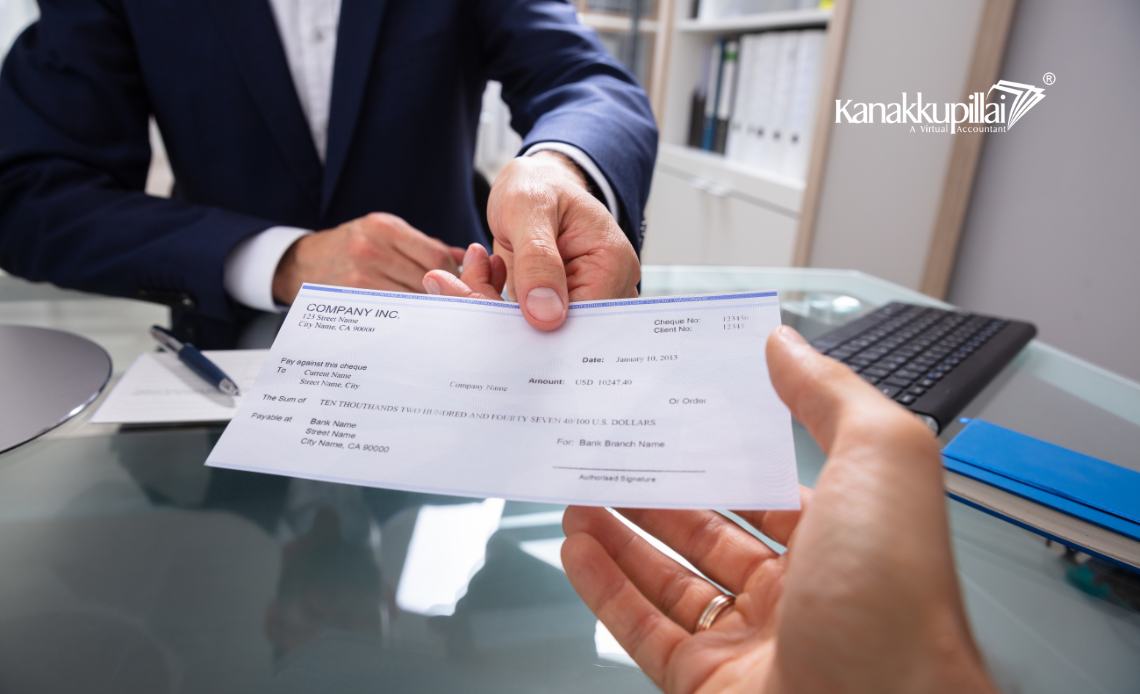
When presented in front of the bank and it is rejected, the cheque is said to be dishonoured. This rejection can be a result of a lack of funds, a technical malfunction or any other cause that can be blamed on the drawer or on the instrument itself. In case of dishonouring a cheque, the bank reconciles the cheque and sends it back without payment and a memo of the non-payment.
Legally, cheque dishonour is important in that it can lead to civil litigation, and a criminal prosecution that occurs under the Negotiable Instruments Act, 1881, in some situations.
Frequent Causes of Cheque Dishonour
There are many reasons that may result in cheque dishonour, and some of them are financial, whereas others are procedural. It is most often explained by the lack of money in the bank account of the drawer at the moment when the cheque is introduced. In case account balance is not equal to the cheque amount, the bank declines to pay.
It is also often caused by a discrepancy or error in the signature of the drawer. The cheque can be dishonoured in case the signature presented is not the same as the specimen signature presented to the bank. Checks could also be returned through an overwriting, the alteration without authorization, a wrong date or a discrepancy between the amount written in words and figures.
Others encompass submission of a stale cheque, termination of bank account, issuance of stop payment by the drawer or destruction of the cheque rendering it illegible.
Dishonoured Cheques Bank Charges
In case of cheque dishonour, banks tend to impose some charges on the account holder. These fees depend on bank to bank, and might be subject to the issue or deposit of the cheque. Failure of payment would normally result in a dishonour fee by the drawer of the cheque, but the payee may also be charged by his bank on the return of the cheque.
Recurrent cases of cheque dishonour can cause the bank to become more scrutinising of the bank and, in other circumstances, limit issuance of cheque books. This should be particularly careful of businesses where recurring dishonours may impact the banking relationship and creditworthiness.
Legal Consequences of Cheques Dishonour
Cheque dishonour may not only have severe legal implications, but may also be a result of a lack of adequate funds or closure of accounts. Section 138 of the Negotiable Instruments Act, 1881, addresses this issue particularly because of the following reasons.
In case of dishonour of a cheque, the payee should send a written legal notice to the drawer within the stipulated time, requiring him to pay the amount of the cheque. Unless the drawer pays the sum of money as per the agreed time after getting the notice, the payee will be allowed to file criminal charges.
An offence under section 138 is punishable by imprisonment, monetary fines or both. Other than criminal liability, the payee can also take a civil action to claim the amount due.
Effect on Business and Credit Position
Cheque dishonour may impact negatively on the financial credibility of a person. For businesses, it can cause a loss of confidence among clients, vendors, and financial institutions. Certain commercial relationships can be impaired by repeated dishonours, and this can lead to harsher terms of payment or rejection of credit.
In other instances, cheque dishonourings are also frequent, which can affect an individual’s ability to secure loans or even maintain favourable banking facilities. Financial discipline is hence important to have adequate finances and proper cheque writing.
Prevention of Cheque Dishonour
However, cheque dishonour can be greatly reduced by proper financial management and attention to detail. Arguably, the biggest reduction in risk can be made through maintaining a sufficient balance of accounts, checking cheques prior to issuance and ensuring proper signatures.
Businesses are also advised to have internal controls in the issuance and reconciliation of cheques. Inasmuch as possible, alternative payment methods that involve real-time confirmation can also be used to reduce the chances of payment failure.
Conclusion
A cheque which is dishonoured is not merely a failed payment, but it may carry some far-reaching financial and legal implications. It is important that individuals and businesses understand why cheques are dishonoured and what the law says on the matter. As part of due care in issuing cheques and acting in good faith in case of dishonour, parties will save time, money and reputation by avoiding litigation.
Any person who uses cheques as a means of payment should avoid cheque dishonour in a business world where trust and reliability are paramount.
Related Service