

Last Updated on February 23, 2026
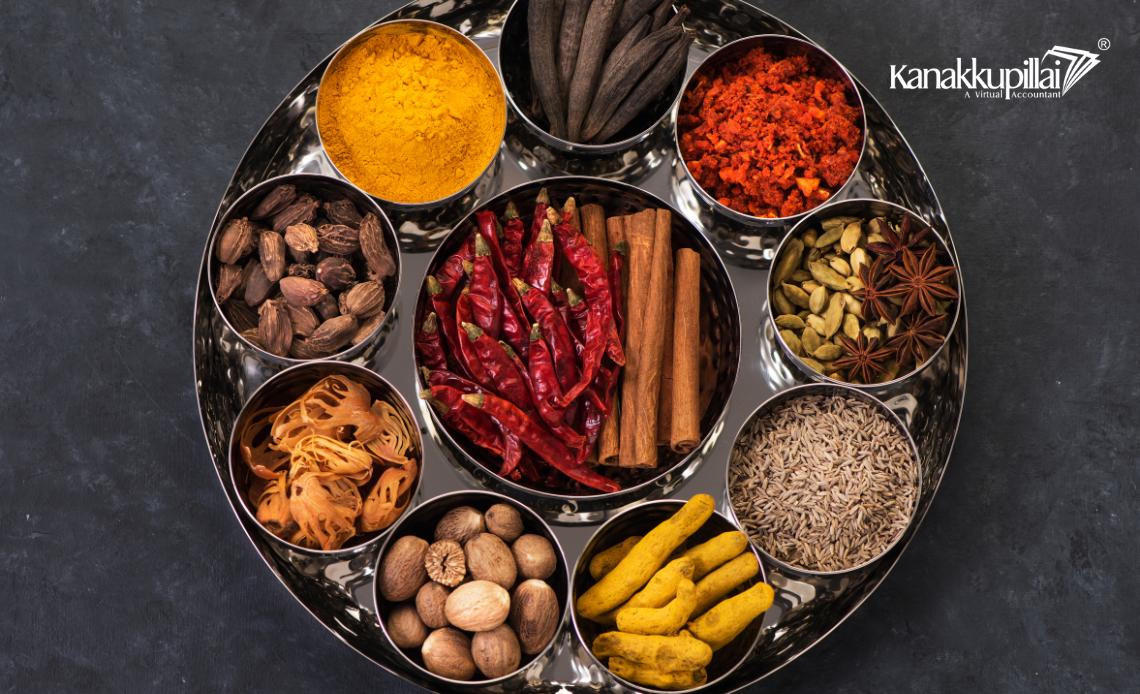
India, for long known as the country of spices, has been an international hub for spice trading for centuries. With the ever-growing demand for authentic, high-quality masalas across the nation and beyond its borders, setting up a spice business in India is quite rewarding. This blog explores the key actions required to set up and maintain a spices/masala business in India, factoring in considerations of market research, product choice, sourcing, production, branding, and regulation compliance.
Introduction
Indians go crazy for food, spices take over our every festival, event, and even day-to-day lifestyles. We divide by states, but one thing that keeps connecting us is “spices”. India is known as the “Home of Spices”. It is an Indian spice sought worldwide for its texture, aroma, taste, and medicinal properties. India is the biggest consumer, producer, and exporter of spices in the world. We produce about 80 of the 110 variations registered by the International Organisation for Standardisation and account for nearly half of the global trading in spices.
Starting a spices business in India is not just a matter of selling products; it is about creating a flavour that resonates with its customers. Whether you wish to sell in the local market or export, the scope for development is enormous.
Significant Steps for Starting a Spices/Masala Business (Step-by-Step Guide)
A spice business is actually built on a systematic approach where creativity and strategic planning come together. Whether you are entering the market as a small-scale or large-scale entrepreneur, there are certain basic steps that are indispensable.
These include in-depth research, selection of a suitable niche, and regulatory compliance. Here’s a broad overview of the key steps to start your spice business.
1. Knowing the Market
Understanding the spice market before venturing into business.
- Consumer Demand- Masalas are a basic part of any Indian kitchen. The demand for organic, preservative-free masalas, which are more authentic, has been growing.
- Export Opportunity- India exports spices to more than 180 countries. Its major markets include the USA, UAE, and Europe. Exporting is thus a promising opportunity for growth.
- Competitor Analysis- Study successful brands like MDH, Everest, and Catch to understand pricing, packaging, and distribution strategies.
Identify your target audience, whether households, restaurants, or the export market, that will shape your business approach.
2. Selecting the Appropriate Niche
Instead of competing in the vast spice market, focus on a niche related to your area of expertise with market demand. Some of the options include:
- Blended Masalas- Garam masala, chicken masala, and chaat masala are in high demand.
- Organic Spices- Organic spices have gained attention due to growing health awareness.
- Single-Spice Powders- Turmeric, red chilli, and cumin powder are evergreen products.
- Export-Oriented Spices- Saffron, cardamom, and cloves are some exotic spices in international markets.
Choosing a niche also distinguishes the brand while reaching the appropriate audience effectively.
3. Sourcing Raw Materials
Good quality raw materials are the foundation of a successful spice business. Depending on the product range, you may source raw spices from
- Local Farmers- Relationships with farmers ensure access to fresh, organic, and pesticide-free spices.
- Spice Mandis- Markets like Khari Baoli in Delhi or Gulati Spice Market in Kochi offer an array of raw spices at market rates.
- Online Wholesale Platforms- These are handy for bulk purchasing and are accompanied by logistical support.
Perform detailed quality checks on freshness, colour, aroma, and moisture content at the procurement level.
4. Production Setup
The manufacturing stage includes cleaning, drying, grinding, mixing, and packaging. Here’s the simple way to make it go efficiently:
- Location- Establish your manufacturing place near the source of raw materials and transportation.
- Equipment- Procure grinders, pulverizers, and sieves for easy processing. Miniature units can begin using hand operations. Automated versions will have an excellent outcome for large-scale units.
- Quality Standards- Comply with FSSAI guidelines for food safety and hygiene. This includes a clean production environment and testing your products.
Packaging of spices is also an important factor in retaining freshness and attracting customers. Use airtight, tamper-proof, and aesthetically appealing packaging.
5. Branding and Marketing
The Business should have a strong brand identity in such a competitive market.
- Develop a Unique Brand- Brand name, logo, and tagline, all reflecting product value.
- Storytelling- Sustainability, traditional recipes, and unique sourcing methods, to mention a few, are the stories to share with the brands.
- Digital Presence- You should create a website for your business and a social media presence to connect with customers. Instagram, Facebook, and YouTube are the best platforms to display recipes and the use of spices.
- Sampling and Promotions- Offer free samples or introductory discounts to get initial customers.
Health benefits, authenticity, and cultural connection are significant marketing campaigns that are meant to sell more.
6. Legal Compliance
Running a spice business in India requires adherence to legal standards. Some important steps involve:
- Registration of Business- Select a suitable business form among sole proprietorship, partnership firm, and private limited company and register at the Ministry of Corporate Affairs.
- FSSAI License– This license is mandatory to ensure food safety compliance.
- GST Registration– The registration for GST is required to be in accordance with taxation.
- Export Licenses- For exports, register for an Import Export Code under the Directorate General of Foreign Trade.
You will save yourself from probable litigation hassles if proper documentation and regular audit mechanisms are maintained.
7. Distribution and Sales Channels
Expand your business with a strong distribution network. Consider the following channels:
- Direct-to-consumer- Sell through your website or social media platforms.
- Retail Outlets- Tie up with grocery stores, supermarkets, and Kirana shops.
- Online Marketplaces- Sell on Amazon, Flipkart, and niche organic platforms.
- Exports- Tie up with international distributors or create your export network.
A well-spread network will ensure that customers receive your spices in a very efficient manner, eventually leading to brand loyalty.
8. Challenges and Solutions
- High Competition- The spice market is highly crowded with domestic players and local competitors. The secret to standing out lies in unique offerings such as organic or regional speciality masalas, consistent quality, and strong branding and storytelling about your sourcing or traditions.
- Quality Maintenance- Ensure that the spice is of consistent quality. Variations may harm your brand reputation. Therefore, establish good relations with suppliers and maintain strict quality control during all stages of production.
- Market Awareness- It’s hard to educate customers on the benefits of your product, especially for new brands. Invest in digital marketing, sampling campaigns, and recipe-based content to engage your audience effectively.
Conclusion
Starting a spices/masala business in India is one of the best ventures as far as growing potential is concerned. One needs to succeed in it by getting into the correct market understanding, offering a superior product, and building the brand right. Quality, compliance, and strategic marketing can bring a very good business that caters to the increasing demand for genuine Indian spices.
The journey might seem overwhelming, but careful planning and persistence can help transform your passion for spices into a thriving enterprise. Therefore, it is now a perfect time to enter the very rewarding industry and claim your place in the realm of Flavors.
FAQs
1. How much does it cost to start a spices/masala business in India?
The cost depends on the scale:
- Small home-based unit: ₹50,000 – ₹2 lakh (manual grinding & small packaging)
- Semi-automated unit: ₹2 lakh – ₹10 lakh
- Fully automated plant: ₹10 lakh and above
This includes machinery, raw materials, licensing, packaging, and initial marketing.
2. Which spices are most profitable to sell in India?
High-demand, high-margin spices include:
- Turmeric, chilli, and coriander powders
- Garam masala & regional blends (sambar, biryani, chaat masala)
- Organic spices like black pepper and cinnamon
- Exotic spices (saffron, cardamom) for premium markets
3. What licences are required to start a spice business in India?
You must obtain:
- FSSAI License (mandatory food safety compliance)
- GST Registration for taxation
- Import Export Code for exports
- Optional – Business registration (LLP/Pvt Ltd/Sole Proprietorship) helps in credibility and funding.
4. Can I start a spice business from home?
Yes, with correct licensing. Many entrepreneurs start with small-scale grinding and packaging from home, provided you have:
- A valid FSSAI registration
- Proper hygiene and standard packaging
- Quality raw spice supply
Ready to Start Your Spices or Masala Business?
Turn your idea into a legally compliant and profitable venture with expert support. From FSSAI and GST registrations to business incorporation and export licensing, Kanakkupillai handles everything end-to-end.
Speak to our experts today and start your spice business without delays!