
Last Updated on March 20, 2026
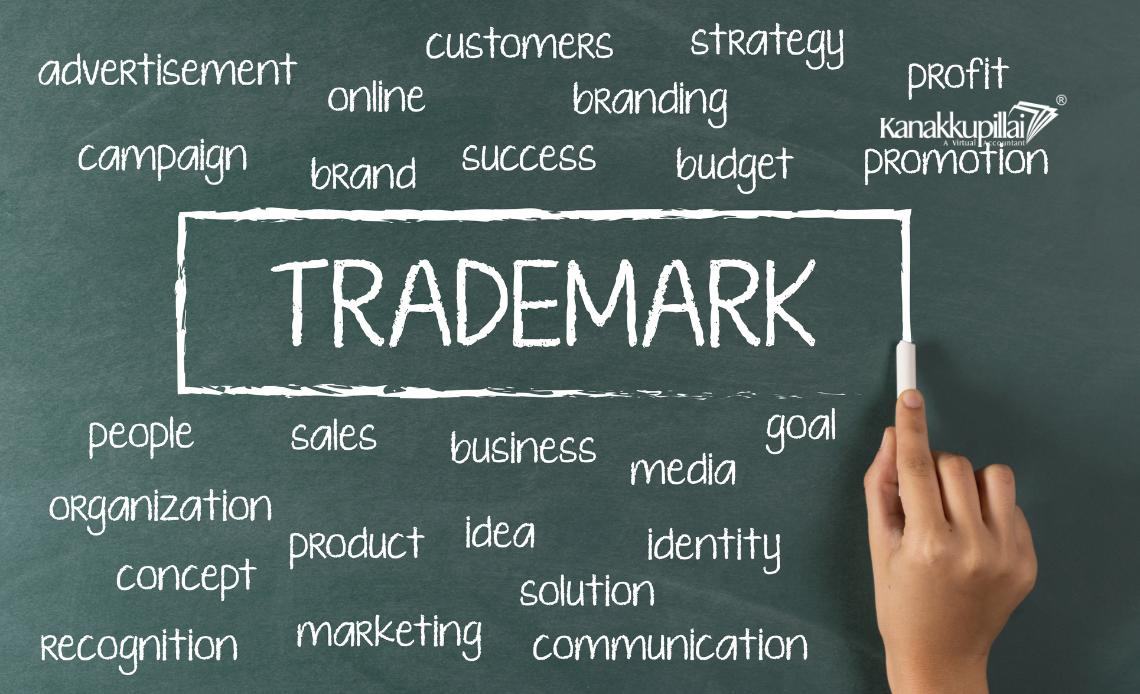
A trademark is a distinct mark, emblem, word, symbol, logo, design, or a mix thereof that identifies a company and sets it apart from its rivals. It’s a brand identifier meant to create brand worth and reputation in a cutthroat commercial setting. It is a one-of-a-kind depiction of a company that stands out from others. It can be a sound, a form, a color, a name, a sentence. A registered trademark protects a trademark; that is, no other firm may use it without authorisation.
Eligibility Criteria For Trademark Registration
1. Individuals
- Anybody can seek trademark registration.
- For those wishing to register their company name, logo, or catchphrase for trademark protection, this is suitable for people, freelancers, or small enterprises.
- Under the applicant’s name, trademark registration is applied for.
2. Proprietary Businesses
- One-person businesses can request trademark registration.
- The trademark application is filed under the owner’s individual name rather than the corporate moniker.
- This aids in preserving the brand identity of the company.
3. Partnership Firms
- Partnership businesses can request a trademark registration under their names.
- The application for trademark registration has to include every partner’s name.
- The partners own the trademark together.
4. Limited Liability Partnership (LLP)
- LLP can register a trademark as a distinct legal entity.
- Under the LLP’s name rather than the personal names of the partners, the trademark application is filed.
- This gives the trademark independent legal identity and ownership.
5. Public limited companies and private limited companies
- Applications are open to companies controlled by the Companies Act, 2013
- The firm holds the trademark in its own right as a legal entity.
- Guarantees continuing ownership regardless of director or shareholder changes.
6. MSMEs and start-ups
- Only duly certified start-ups and MSMEs may seek trademark registration.
- They gain from lower government taxes.
- This motivates young and developing companies to safeguard their intellectual property.
7. Trusts, societies, non-governmental organisations (NGOs)
- Registrations of trademarks are permitted from registered trusts, societies, and non-profit organisations.
- The application is filed under the organisation’s name.
- It safeguards the identity, name, and emblem used for social or humanitarian purposes.
8. Foreign applicants
- Individuals, companies, and organisations from other countries may seek trademark registration in India.
- The applicant needs to prove a commercial interest or purpose to use the trademark in India.
- Applications can be submitted directly or by means of authorised representatives.
9. Joint Applicants
- Several people or companies have the opportunity to request a trademark together.
- Shared ownership and collective rights are instituted.
- For collaborations and joint ventures, this setup helps.
Conditions for Registering a Trademark
1. Distinctiveness
- From other brands, your brand ought to stand out.
- The terms in your line of business should neither be ordinary nor general.
- Acceptance of invented words is more likely to be found.
2. Non-Descriptive nature
- Your logo should not immediately communicate the characteristics, quantity, use, or quality of your product/service.
- Words such as “sweet ” for sweets or “fast delivery ” for logistics may be rejected.
- Extended usage can raise uniqueness.
3. Non-similarity from existing trademarks
- Your intended mark should not be similar or similar to already existing or pending trademarks.
- Any resemblance in sound, spelling, or meaning might cause resentment or rejection.
4. Not false or deceptive
- Trademarks should not mislead consumers about the nature, quality, or geographic source of your goods or services.
- The words must represent accurately and plainly.
5. Not offensive or prohibited
- The mark must not include any vulgar, offensive, or immoral language or symbols.
- It shouldn’t go against the morals of public decency or religious views.
6. Avoid Government Symbols and Names
- Without permission, trademarks cannot include official symbols, government names, flags, or national insignia.
- Some elements have legal limitations on their use.
7. Use or Intention to use
- The applicant must have either used the trademark or have intentions to use it later.
- This rule stops trademarks without a valid business justification from being registered.
8. Not forbidden by the Names and Emblems Act
- Registration of emblems and names protected under the Emblems and Names (Prevention of Improper Use) Act of 1950 is not allowed.
- This covers international organisations as well as national leaders’ names.
9. Capability of graphical representation
- Words, images, and symbols make up the trademark that can be graphically depicted.
- This regulation guarantees correct trademark registration.
10. No conflict with well-known brands
- Even if they come under different classes, it is imperative to make sure the brand does not violate well-known trademarks.
- Famous companies get more protection to avoid any unjust benefit.
Frequently Asked Questions
1. Who is eligible to register a trademark?
India allows any person or business to request a trademark. It can be a company or a legal person. The individual or company seeking a trademark should either be using the mark or intend to use it for commercial purposes in order to achieve brand recognition.
2. What are the four types of a trademark?
A trademark has four main categories. These are word marks, device marks, service marks, and collective marks. Each of these categories plays a part in making your company stand apart from your rivals.
3. TM or R: Which is better?
Both TM and R have great value of their own. When requesting a trademark, the TM symbol is employed. This is a temporary type of protection. Once a trademark is registered, the R symbol, on the other hand, is employed. TM and R are essentially the same.
4. Can a start-up apply for trademark registration?
Start-ups can certainly submit for trademark registration. Recognised start-ups will be charged reduced government fees and can seek trademark registration. Start-ups will find this to be a cheap choice. It will give them a competitive edge and assist them in creating a brand.
5. Can 2 people jointly own a trademark?
Naturally yes. Two or more persons can definitely apply for and have a trademark together. In this way, the trademark will be jointly owned. This can apply to collaborations and other commercial projects involving two or more persons.
6. Is it necessary to have a business to register a trademark?
One does not have to have a registered business in order to apply for a trademark. No. People can apply for a trademark even before starting a business. Assuming one genuinely intends to use the mark for commercial ends, this is achievable.
7. Can a foreign company register a trademark in India?
Yes, foreign companies and people may register their trademarks in India. They have to demonstrate that they intend to conduct business in India and that they want to use the brand there in order to do this. Directly or via proxies, the applications can be made to guarantee that they safeguard their brand in the market.
8. Do MSMEs get any benefit in trademark registration?
Yes, they profit as the government charges them less for trademark registration. This motivates them to be cost-effective in protecting their brand. Registration of their trademark helps them to grow their brand value and securely broaden their market.
Get Your Trademark Only With Kanakkupillai
Your brand is your identity; you should maintain it. For you, Kanakkupillai streamlines and speeds up trademark registration. We will help you through the procedures and try to make it as simple as possible. Whether you are a startup, a businessman, or a fast-expanding firm, from trademark searches through your most recent mark registration, we are always here to support you.
With our knowledgeable assistance, you avoid expensive errors, delays, and refusals. Kanakkupillai is your answer for all trademark-related problems since we provide clear fees and reliable, effective services.
Get started today!