


Last Updated on April 3, 2026
Trademark registration is generally for names, logos, brands, and symbols that identify your products or services. It protects your brand name from being copied. Intellectual property rights have their own set of symbols that denote the type of protection they offer for different brands. You often see symbols like TM and R at the edges of brands and logos. The symbols represent the Brand name protected under the Indian Trademark Act in a specific form.
 Trademark symbol, ™
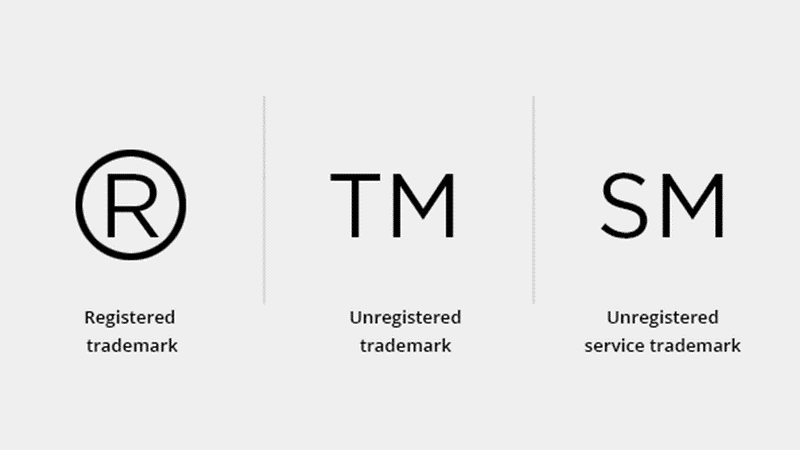
A Trademark is a unique mark that identifies a business trading in goods and services to other organisations, whether or not in the same industry or category. The TM symbols indicate a Trademark is filed for registration to be used by the organisation and denote the exclusive rights to use a brand name and business process. The TM mark also implicitly serves as a warning for Duplicators, copycats, and counterfeits that may be sued.
Service Mark Symbol, SM
This symbol “SM” is used to signify that the Trademark applied is for the services of such a business. SM, or Service Mark, is a symbol used for trademark applications filed under classes 35-45.
Registered symbol, ®
The R symbol indicates that a registered trademark. It implies that the proprietors of the mark are now legally allowed to enjoy legal protection from infringement of their mark. Using the R symbol with the Trademarked Name is legally allowed only after the Trademark Name is registered. Usage of the R symbol after merely filing the trademark application or without getting that particular Trademark registered by the registry is considered to be unlawful in India.
Symbols Under Copyright Law
The Copyright symbol is being used to represent that the owner of creative work has copyrighted their original work, like artwork, photography, videography, books, literary works, software, etc., and the work is protected by law.
Copyright Symbol, ©.
The C symbol can be used by the copyright holder’s name with the year of first publication and the name of the country in which the work is copyrighted. The © symbol provides the author of the work with legal protection and establishes their ownership of that work. If a person has modified or copied the specific original work, they can be sued in court by the original owners of that work for copyright infringement, citing the registration of their work. In a few countries, the proper use of the © symbol is essential to exhibit copyright protection.
The Berne Convention recommends the use of the symbol © to claim copyright protection for creative works, and India is a member of the Berne Convention. If you want to protect your original work in India, ensure you use the © symbol so the public knows the work is protected by copyright.
When to use Which Symbol
| Symbol | Description | When to use | Who can use | What does it mean |
| TM | Unregistered Trademark | Once you file an application for registration of a trademark, you can use this symbol besides your mark. | The owner or proprietor of the mark. | Use of TM does not mean that your mark will be registered. |
| SM | Service mark | The one who provides services can use this mark. | Use of SM does not mean that your mark will be registered. Even if your mark is refused or not registered, you can still use TM. | |
| R | Registered trademark | After the registration of the mark | Registered proprietors of the mark | It means that the brand name/service name is protected under the trademark law, and nobody can copy the mark. |
How to use the symbols?
As a general rule, these symbols are placed in the upper-right-hand corner of the mark so they are visible to the naked eye. There is no such specific requirement under the law on placing the symbols or on the font size, and it is completely the discretion of the owners to choose how they want to place them. The only requirement would be that it has to be a superscript.
What happens if you inappropriately use the symbols?
Wrong usage of the registered trademark sign might have disastrous effects. Should a trademark owner abuse the sign, they risk losing their exclusive rights to the mark or having trouble enforcing their rights in court. Inconsistent or incorrect usage can also weaken the brand and confuse buyers.
Sometimes using the registered trademark sign improperly counts as trademark abuse, which can have other legal consequences or result in the loss of trademark rights. Trademark owners must ensure that the symbol is applied correctly and consistently in all marketing and communication materials.
The end note:
The registered trademark sign (®) protects your brand and keeps it legally valid. Accurate and consistent use of the sign protects your intellectual property, prevents customer misunderstandings, and enhances your business’s overall image. Never forget that using your trademark properly is a measured investment in the long-term success of your business and a legal need.
How can we help?
We at Kanakkupillai help you build and protect your brand name with expert‑assisted trademark filing, clear, transparent pricing, and real‑time status updates.
Related Services
Frequently asked questions
1. What does the ™ symbolise?
It indicates that a business is using a name, logo, or phrase as a trademark to identify the source of goods.
2. Is it mandatory to seek registration to use TM symbol?
No, the ™ symbol can be used by any person or business on unregistered trademarks to indicate ownership.
3. Can you differentiate between ™ and ®?
The ™ symbol is for unregistered marks, while the ® symbol is for registered trademarks that have obtained legal approval.
4. Is it mandatory to use trademark symbols?
No, it is not a statutory requirement in India to use these symbols, but they are used to communicate brand identity.
5. What if I use ® without registration?
No, using the ® symbol before registration may attract penal consequences.
6. Can I use ™ for international products?
Yes, you can use. But you have to be sure if you have not applied the mark on a jurisdictional basis.