

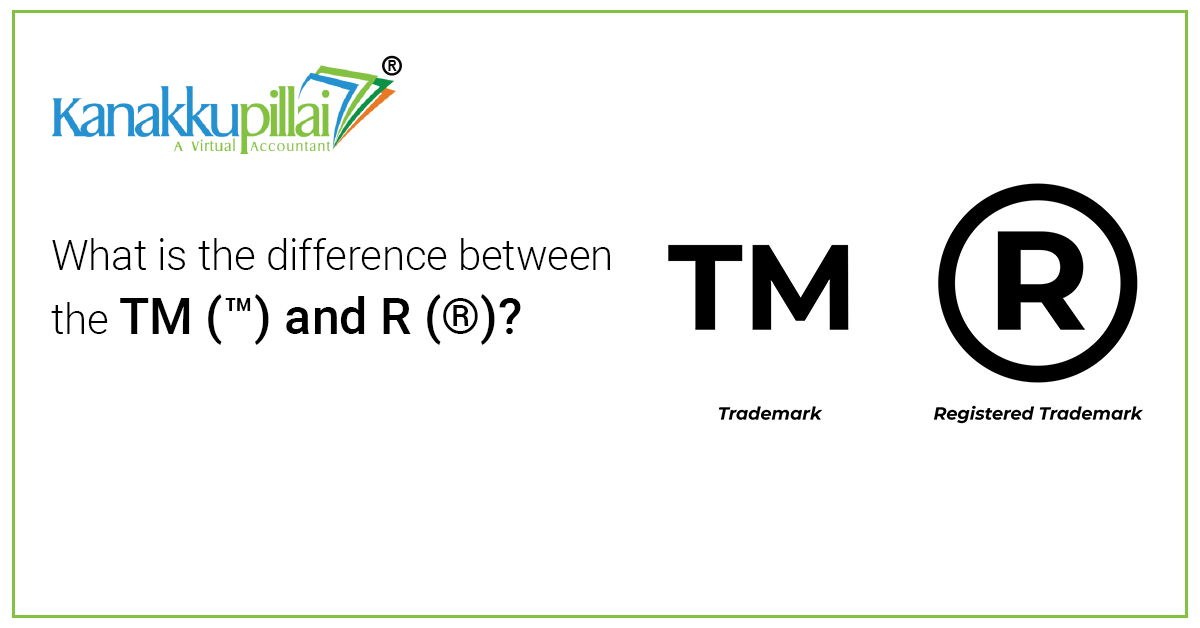
Many businesses use the symbols TM (™) and ® (Registered) with their brand names, but not everyone understands their exact meaning. These symbols indicate different stages of trademark protection.
This article explains the difference between TM and ®, when to use them, and their legal significance for businesses in India.
Introduction
When you come across brand names, you may often notice small symbols like ™ or ® next to them. While they may look similar, they have very different meanings and legal implications.
For startups and businesses, using the correct symbol is important not only for branding but also for legal compliance. Misusing these symbols can create confusion or even lead to penalties.
Understanding the difference between TM and ® helps businesses protect their brand effectively and communicate their legal status clearly to customers and competitors.
What Does TM (™) Mean?
The TM symbol stands for “Trademark.” It is used to indicate that a word, logo, or slogan is being claimed as a trademark by a business.
Key Features of TM:
- Can be used without registration
- Indicates a claim over a brand name or logo
- Used during the application stage
- Provides basic protection under common law
For example, if you have applied for trademark registration but it is still pending, you can use the ™ symbol with your brand.
What Does ® Mean?
The ® symbol stands for “Registered Trademark.” It indicates that the trademark is officially registered with the trademark authority.
Key Features of ®:
- Can be used only after registration approval
- Provides full legal protection
- Recognised under trademark law
- Gives exclusive rights to the owner
Using the ® symbol without registration is illegal and may attract penalties.
Key Differences Between TM (™) and R (®)
| Aspect | TM (™) Symbol | R (®) Symbol |
|---|---|---|
| Registration Status | Indicates an unregistered trademark that a business claims for its brand, logo, or name. | Indicates a registered trademark that has been officially approved by the trademark authority. |
| Legal Protection & Enforcement | Provides limited legal protection. It mainly shows ownership claims but offers fewer enforcement rights. | Provides strong legal protection and allows the owner to take legal action against trademark infringement. |
| Geographical Scope | Protection is generally limited to the area where the mark is used commercially. | Protection typically extends nationwide or within the jurisdiction where the trademark is registered. |
| Duration of Rights | Does not have a fixed protection period and depends on continued usage of the mark. | Usually valid for 10 years and can be renewed indefinitely, ensuring long-term brand protection. |
When Should You Use TM?
You should use the ™ symbol in the following situations:
- When you have applied for trademark registration
- When your application is under process
- When you want to claim ownership of a brand name
It helps notify others that you are claiming rights over the mark, even if it is not yet registered.
When Should You Use ®?
You should use the ® symbol only after:
- Your trademark is officially registered.
- You receive a registration certificate.
Using ® shows that your brand has legal recognition and protection under trademark law.
Legal Importance of TM and ®
- Establishes Brand Ownership: Both symbols indicate ownership, but ® provides stronger proof of legal rights.
- Prevents Unauthorised Use: The presence of these symbols discourages others from copying or misusing your brand.
- Strengthens Legal Position: A registered trademark (®) gives you stronger rights in case of infringement or disputes.
- Builds Brand Credibility: Customers often trust brands that use the ® symbol, as it reflects authenticity and legal recognition.
Common Mistakes to Avoid
- Using ® without registration
- Not using ™ during the application stage.
- Assuming TM provides full legal protection
- Ignoring trademark registration altogether
- Misunderstanding the difference between the two
Avoiding these mistakes helps businesses stay compliant and legally secure.
Practical Example
Suppose a startup launches a clothing brand named “UrbanEdge.”
- Initially, they use UrbanEdge™ after applying for trademark registration.
- Once the trademark is approved, they switch to UrbanEdge®.
This transition shows that the brand has moved from a claimed mark to a legally protected one.
Why This Difference Matters for Businesses?
Understanding the difference between TM and ® is important because it directly impacts your legal rights and brand protection.
Using TM allows you to start building brand identity early, while ® ensures long-term legal security. Together, they form an essential part of a business’s intellectual property strategy.
Conclusion
The difference between TM and ® lies in their legal status and level of protection. While TM can be used at any stage to claim ownership, ® can only be used after official registration and offers stronger legal rights.
For businesses, using the correct symbol at the right time is crucial for brand protection, legal compliance, and credibility. Whether you are a startup or an established company, understanding these symbols helps you safeguard your brand effectively.
Related Services
Frequently Asked Questions (FAQs)
1. What is the difference between TM and ®?
TM indicates that a trademark is claimed but not registered, while ® shows that the trademark is officially registered. TM can be used anytime, but ® can only be used after registration approval from the trademark authority.
2. Can I use TM without registering a trademark?
Yes, you can use the TM symbol without registering your trademark. It shows that you are claiming rights over a brand name or logo, even if the registration process is not completed.
3. Is it illegal to use ® without registration?
Yes, using the ® symbol without official trademark registration is illegal. It can mislead others and may result in penalties or legal action under trademark laws.
4. Does TM provide legal protection?
TM provides limited protection under common law rights. However, it does not offer the same level of legal protection as a registered trademark marked with ®.
5. When should I start using the ® symbol?
You should start using the ® symbol only after your trademark is successfully registered and you receive the registration certificate from the trademark authority.
6. Can I use both TM and ® together?
No, both symbols should not be used together. TM is used before registration, while ® is used after registration. Using them together can create confusion and is not legally appropriate.
7. Which symbol is better for businesses?
Both symbols serve different purposes. TM is useful during the application stage, while ® provides stronger legal protection after registration. Businesses should use them appropriately based on their trademark status.